Guides
Deck ledger board code Canada: permits and flashing
Deck ledger board code Canada: what makes a ledger-attached deck need a permit, the flashing the code requires, the drawings to submit, and review times.
What to take away
- Deck ledger board code Canada starts with the National Building Code of Canada, a model code with no direct legal force: it sets the ledger attachment rules in Part 9, and provinces adopt them with their own amendments.
- Deck ledger flashing is a code item in Canada, not a cosmetic extra, and inspectors check the detail before closing the wall.
- Municipal first review times vary, but a simple residential deck permit often returns comments within 10 to 15 business days.
Who has jurisdiction
The National Research Council sets out the model provisions in its National Building Code publication page. Provinces and territories adopt it through their building regulations. Ontario, British Columbia and Alberta publish provincial amendments, and local governments issue permits and inspect work. Municipal inspectors enforce the adopted code.
A private warranty provider can also impose conditions that go beyond the code. That split between provincial, municipal and private rules matters when a ledger detail is questioned.
US building code content does not answer Canadian ledger questions because lateral load and frost-depth rules differ under the Canadian deck construction code. Ontario's amendments tie ledger support to frost depth, covered in Ontario frost depths. The National Building Code of Canada overview shows how provinces adopt the model with variations.
The provincial codes keep the same Part 9 numbering. The Ontario Building Code, the BC Building Code and the Alberta Building Code all carry Sentence 9.12.2.2.(1) on footing depth below frost, and each province sets its own frost depth values.
What triggers a permit
A permit is triggered when a deck attaches to a dwelling with a ledger board. The ledger cuts through the exterior wall assembly, so the enclosure is changed. Even a small second-storey deck can require a permit for guard and structural review.
Some municipalities exempt very low unattached decks, but a ledger-attached deck usually does not qualify for that exemption. The local building department decides based on the adopted code and municipal bylaw. The Government of Canada's business permits overview lists building permits as a local matter.
The trigger is structural: a ledger carries gravity and lateral loads from the deck into the house. Part 9 covers the connection in Article 9.23.3.1 and Article 9.23.3.2, which set the fastener requirements, and in Section 9.27, which sets the flashing requirement where the deck meets the wall.
The flashing must be continuous metal, typically galvanized sheet steel 0.33 mm or thicker, and it must have a drip edge that projects beyond the ledger face so water leaves the wall.
What to submit
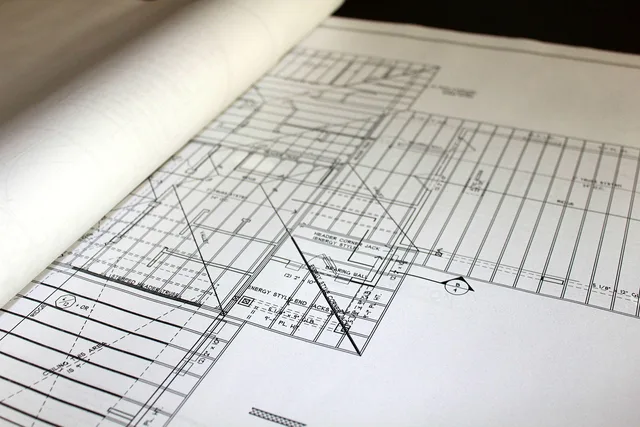
A complete application usually includes a site plan, a floor plan of the existing house, and construction drawings for the deck. The ledger detail drawing must show fastener type, spacing, wood species, and flashing at the wall intersection. Some municipalities ask for an engineer's letter when the ledger is over a certain height or when the house has masonry veneer.
Lag screws or structural screws at least 3 inches long, driven into the rim board or band joist, in two rows staggered along the ledger and spaced 12 to 16 inches on center. Those are typical field values, not code text; the engineer or the adopted provincial code sets the final diameter and spacing.
Deck Permit Submission Checklist
- Site plan
- Floor plan of existing house
- Construction drawings for deck
- Ledger detailfastener type and spacing
- Ledger detailwood species
- Ledger flashing at wall intersection
- Engineer's letter if required
Missing flashing details are a common first-round correction. Toronto requires specific ledger details, covered in Toronto deck permit. The building permit process requires submitted drawings to be reviewed against the adopted code.
How long approval takes
A simple residential deck permit can take 10 to 15 business days for a first review in many Canadian municipalities. That range is illustrative and shortens when drawings are complete. Major cities can take longer during the spring rush. Private warranty review can add time, especially for attached decks on new homes. The ledger connection is often the item that holds up a permit because the detail must be checked against the provincial code.
| Jurisdiction | Adopts | Typical first review (illustrative) |
|---|---|---|
| Ontario | Ontario Building Code based on NBC | 10 to 15 business days |
| British Columbia | BC Building Code based on NBC | 10 to 20 business days |
| Alberta | Alberta Building Code based on NBC | 10 to 15 business days |
The first review is not an approval. It is a list of comments or a request for more drawings. A missing ledger flashing detail usually sends the file back for correction before a permit is issued. Provincial footing depth also affects how the ledger transfers load, as set out in deck footing depths by province.
What happens if you skip it
If a ledger-attached deck is built without a permit, the municipality can issue a stop-work order and require removal of the ledger and all connected framing. That is a concrete consequence, not a warning. An insurer can also deny a claim for water damage traced to an unpermitted ledger flashing detail. The homeowner is left with the repair bill, and the contractor can face a lawsuit for the unapproved change.
A municipal stop-work order is not a suggestion. It stops all site work until the ledger connection is corrected and re-inspected.
Vancouver's moisture rules change the same wall intersection, covered in Vancouver patio drainage rules.